
Emerging from the crossroads of Europe, Postindustrial Poets are not merely a band but an ever-evolving musical project shaped by geography, experience, and the passage of time. Based in Luxembourg, Luxembourg, the group has been sculpting its unique sonic identity since 2019, guided by the vision and persistence of its founder and principal songwriter, Pete. More than just the frontman, Pete is the creative engine of the Poets, a storyteller, observer, and craftsman who turns the emotional textures of everyday life into timeless soundscapes. What makes Postindustrial Poets remarkable is their fluid lineup, a revolving door of musicians whose departures and arrivals mirror the transient nature of modern life. People come and go, they move away, get married, start anew, yet the project endures, sustained by Pete’s unwavering dedication to the music. Through shifting circumstances and changing faces, the essence of the band remains constant: raw sincerity and poetic introspection. Their music is deeply influenced by a tapestry of styles and eras.
From the smoky storytelling of Tom Waits, the soulful depth of Solomon Burke, and the dark poeticism of Nick Cave, to the raw edge of Buzzcocks and the emotional resonance of Motown, the band draws inspiration from artists who build worlds within their songs. Yet their creative palette extends further, blending influences from French and German indie scenes such as Miossec and Wir Sind Helden. Living in Luxembourg, a cultural crossroads where languages and traditions collide, has infused their sound with cosmopolitan character, a fusion of rock, blues, pop, and indie sensibilities that reflects the multiplicity of modern Europe itself. Through these diverse influences, Postindustrial Poets have forged a sound both intimate and expansive, grounded in lyrical storytelling and atmospheric restraint. Every note feels deliberate, every silence meaningful. Pete’s songwriting often grapples with themes of alienation, belonging, and emotional honesty, capturing the quiet beauty found in imperfection. Their journey, marked by relocation, reinvention, and resilience, mirrors the emotional landscapes their songs explore: the constant push and pull between home and exile, between what’s familiar and what’s foreign.
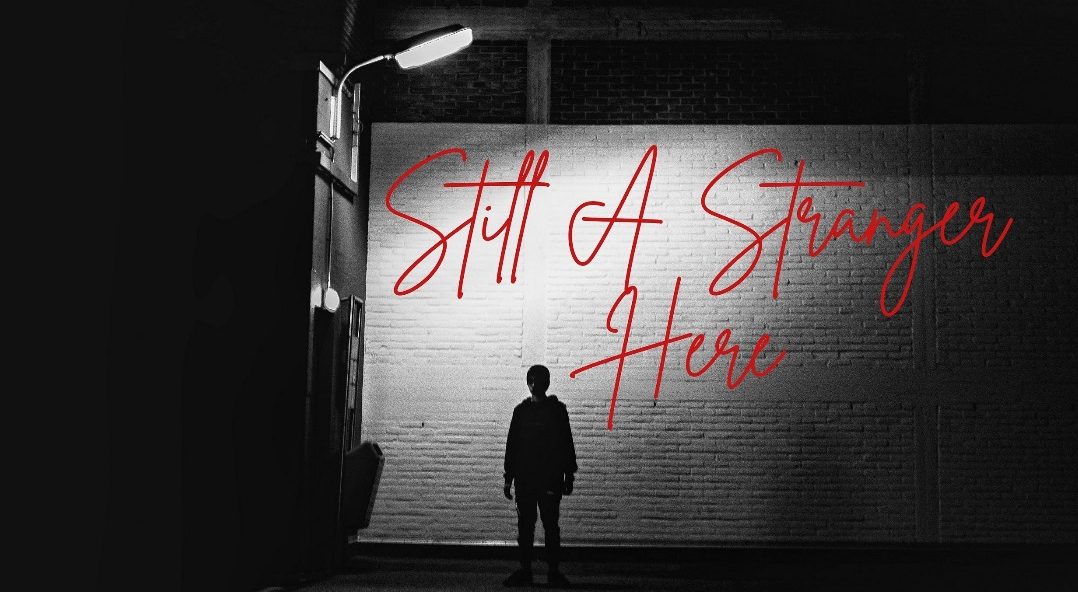
On October 30th, 2025, Postindustrial Poets released their much-anticipated original album, “Still A Stranger Here”, a deeply introspective body of work that stands as both a personal confession and a universal reflection. The album unfolds like a diary written in motion, chronicling what it means to feel out of place in a world that should feel like home. It is an exploration of displacement, connection, and emotional resilience, told through a blend of soulful blues tones, minimalist rock arrangements, and lyrical vulnerability. The album’s title track, “Still A Stranger Here,” had already begun making waves prior to the release, resonating with audiences on Amazon Music for its evocative blend of soul, blues, and modern textures. The song’s origin story, a happy accident involving a bass routed through a guitar amp, led to a sound unlike anything else in the band’s catalogue: rich, distorted, yet beautifully human. This sonic imperfection became a metaphor for the album itself, finding authenticity in flaws, beauty in mistakes, and identity in the midst of uncertainty. Across its tracks, “Still A Stranger Here” balances gloomy introspection and quiet optimism, crafting a sonic narrative that feels lived-in and deeply emotional.
The band’s versatile guitar work, thought-provoking lyricism, and fusion of pop and rock elements bring each story to life, while Pete’s steady hand as songwriter ensures a coherence that binds the collection together. The album’s emotional depth reflects both personal experiences and social realities, from the feeling of isolation in a foreign country to the broader human condition of searching for belonging in an increasingly divided world. More than just a musical project, “Still A Stranger Here” is a reflection of modern identity, fractured yet hopeful, introspective yet relatable. It invites listeners to pause, to listen, and to recognize pieces of themselves in its melodies and words. In a time where displacement, physical or emotional, has become a common human experience, Postindustrial Poets have captured that feeling and transformed it into sound. With “Still A Stranger Here”, Pete and his ever-shifting ensemble reaffirm what their name suggests: the poetry of postindustrial life, where emotion meets machinery, and the search for meaning endures even amid change. This album is not just music, it’s a testament to perseverance, humanity, and the quiet beauty of still being a stranger, yet still standing here.
Still A Stranger Album Track List:
Still A Stranger Here:
“Still A Stranger Here” by Postindustrial Poets opens with an introspective depth that immediately defines its emotional gravity and thematic resonance. From the very first seconds, the song wraps listeners in a mellow yet haunting atmosphere built on bluesy guitar phrases, a steady and grounded bassline, and a restrained percussive rhythm that gives it both space and pulse. The production is minimalist but deeply expressive, emphasizing tone and texture over volume or density. Each chord change carries a sense of melancholy familiarity, as if echoing the slow ache of displacement that the lyrics describe. The warm analog feel of the recording, particularly the bass reportedly played through a guitar amp, adds an organic imperfection that becomes central to the song’s character. It feels like you’re in the same dimly lit room with the band, every note hanging in the air long enough to be felt. There’s no rush, only reflection; the groove moves forward with the patience of lived experience, perfectly matching the song’s title and emotional weight.
Vocally, the performance is sincere, restrained, and human. The lead voice doesn’t aim for vocal fireworks but rather for intimacy and truth, every line delivered as if it has been lived. When the singer admits feeling like a stranger in familiar surroundings, there’s a crack of honesty that invites empathy. The phrasing carries the cadence of poetry, which makes sense given the band’s name and lyrical style. Behind the vocals, subtle harmonies rise and fall like passing thoughts, never overpowering but enriching the soundscape. The guitar serves as a narrative partner, alternating between clean melodic picking and slightly overdriven licks that express what words can’t. The rhythm section maintains a constant heartbeat, ensuring that even as the song wanders through introspection, it never loses grounding. Together, these elements craft a sonic world that feels lived-in and personal, where blues, indie rock, and soul intersect seamlessly. The interplay of rhythm and restraint creates a sound that’s both reflective and quietly powerful, a hallmark of Postindustrial Poets’ evolving artistry.
Lyrically, “Still A Stranger Here” captures the paradox of modern existence: belonging and alienation intertwined. The writing is layered with subtle narrative imagery, streets that should feel like home but don’t, people who look familiar but remain distant, memories that fade the harder one tries to hold them. This poetic ambiguity makes the song universally relatable, whether one interprets it as about exile, cultural displacement, or emotional estrangement. The bridge intensifies the mood, adding gentle dynamic lift as the instrumentation swells, mirroring the rising emotional tide of self-realization. Then, the outro dissolves softly, leaving an echo of unresolved emotion, a fitting end to a piece that never truly finds closure. “Still A Stranger Here” is not just a song but a moment of recognition; it translates internal silence into music. It shows Postindustrial Poets at their most self-aware, unafraid to expose vulnerability through craft. Every detail, from the understated groove to the deliberate pauses, proves how powerfully the band can turn simplicity into significance.
I Gave You My Disease:
“I Gave You My Disease” by Postindustrial Poets begins in an atmosphere of quiet confession, where every instrument feels carefully placed to mirror emotional fatigue. The opening bars are built on a slow, blues-soaked guitar progression layered over a gently pulsing bassline. The percussion is minimal, soft brushes and light snare taps that give the track a languid sway rather than a strict beat. This understated rhythm creates the space for the vocals to breathe, giving the song an intimate, almost conversational tone. The production feels warm and analog, capturing the imperfections of live performance, which only enhance its authenticity. Each note of the guitar lingers in the air, and the ambient reverb gives the song a dreamlike texture, allowing the listener to drift between melancholy and introspection. The first impression is that of a late-night reflection, quiet, personal, and sonically restrained but emotionally vast.
The vocal delivery is subdued yet heavy with meaning. The lead singer’s voice carries a weary warmth that draws the listener in, balancing control with vulnerability. His phrasing is deliberate, as though every line is a confession weighed before being released. Behind him, the instruments work like emotional shadows: the bass gently moves between the chords, the guitar adds reflective fills, and the drums quietly mark time. The instrumental layering is disciplined; no element dominates or distracts, but each contributes to the collective emotional gravity. Subtle harmonic touches appear in the midsection, where the melody slightly lifts before receding back into the subdued groove. The production avoids sharp contrasts, preferring continuity and texture. This gives the song a natural ebb and flow, like a tide of feeling rising and falling under the surface. It’s a piece that relies less on drama and more on mood, drawing power from what it withholds rather than what it declares.
In its essence, “I Gave You My Disease” feels like an exploration of emotional contagion, the quiet transmission of pain, habit, or regret within human connection. The music translates this idea into sound: slow progressions, hushed tones, and layered restraint that all speak of burden shared between two souls. The interplay between the instruments mirrors the push and pull of intimacy, close, then distant, always unresolved. The bridge subtly lifts the intensity before settling back into quiet resignation, ending not with closure but acceptance. It’s this sense of honesty that defines the song’s impact. The track doesn’t seek redemption or clarity; it simply presents a moment of truth suspended in melody. Postindustrial Poets use minimalism as their storytelling language, proving that even sparse instrumentation can deliver emotional complexity. “I Gave You My Disease” is a slow burn of introspection, sonically tender, lyrically haunting, and musically deliberate in every detail.
That’s When You Blew My Mind:
From its initial guitar phrase, “That’s When You Blew My Mind” by Postindustrial Poets opens in a reflective mood that immediately sets a sonic tone of wistful journeying. The instrumentation employs a subtly pulsing rhythm section beneath shimmering clean guitar chords, with hints of reverb giving space around the voices and strings. The drums remain steady but restrained, allowing the texture of the guitars and bass to breathe; the bass remains warm and melodic, not simply foundational, giving a sense of emotional under-current. Midway through the verse the guitar shifts to a slightly overdriven tone for a short passage, signalling a shift in mood from observation to emotional exposure. The production feels lived-in, there’s a slight room ambience and a taste of analogue warmth that complements the lyrical theme of travel, change and unexpected connection. The movement across a slow build rather than an abrupt one fits the lyrical imagery of crossing borders and bridges, both geographic and emotional.
Vocally the track carries an intimacy: the lead singer’s delivery is calm but charged, as though recounting a memory seen from the rear-view mirror. Each phrase is delivered with clarity but also softness, letting vulnerability show. As the song progressed, the instrumentation expands ever so slightly, the drums open up, the guitar chords widen and a backing harmony hovers underneath. That moment acts as a musical pivot: from the restraint of the verses into an emotional release of recognition. After that peak, the instrumentation returns to a more spare arrangement, which heightens the impact of the refrain when it recurs. The way the song is structured, the dynamic arc is gentle yet effective, the track never becomes overtly aggressive, but the slight lifts and drops reinforce the emotional story.
Lyrically and thematically, “That’s When You Blew My Mind” frames a moment of quiet epiphany, a meeting, a choice, a hand taken, a world shifting underfoot. The music supports this narrative: the ear-catching instrumental shifts mirror the emotional turning point described. The traveling imagery in the lyrics is mirrored by the sense of motion in the music, bass and guitar walking, drums gently propelling. Yet the mood remains reflective, even bittersweet: the song doesn’t just celebrate the moment, it anchors it in memory, in distance, in the “other side” of the journey. The outro pulls back instrumentally, leaving a trace of that emotional apex lingering in the air. In sum, this track exemplifies the Postindustrial Poets’ ability to marry story-telling lyricism with textured, subtle instrumentation: a quiet but resonant musical statement about connection, change and that moment when everything shifts.
Don’t Say It’s Over:
“Don’t Say It’s Over” by Postindustrial Poets begins with an immediate sense of tenderness and unease, two emotional tones that the band balances with their characteristic precision. The intro opens on a smooth blend of clean electric guitar chords and a bassline that hums with quiet insistence, creating a pulse that feels both steady and vulnerable. The percussion enters softly, brushing the rhythm with a light touch that feels more like a heartbeat than a beat. This restrained arrangement draws the listener close, building intimacy before the vocals even arrive. When the singer’s voice enters, it is full of quiet emotion, lightly cracked at the edges, yet steady enough to carry conviction. The mix keeps the vocals forward but cushioned by a warm layer of instrumentation that feels deliberate and human. The production values lean toward organic textures rather than digital perfection, allowing the imperfections, finger slides, breath sounds, faint room reverb, to amplify the song’s emotional reality. In these first moments, the band establishes a soundscape that is raw, honest, and deeply resonant.
As the song progresses, its narrative becomes clearer through both lyrics and arrangement. The verses feel introspective, marked by lyrical phrases that dwell on uncertainty, distance, and the fragile act of holding on. The instrumentation mirrors that emotional landscape: the guitar lines start to intertwine, one carrying the melody while another quietly answers in counterpoint. The bass moves with thoughtful precision, bridging the gap between rhythm and melody, while the drums remain understated, small fills, soft cymbal swells, subtle snare taps. This sense of restraint defines the song’s structure; rather than building to an explosive climax, it allows emotion to deepen gradually. The chorus introduces a subtle lift in energy, with harmonies expanding the sound field and the rhythm section pushing slightly harder. Yet even here, the band resists excess. The result is a musical dialogue, one voice pleading for connection while the instruments echo back with patience and understanding. Every sonic choice reinforces the lyrical message: the plea not to let go, not to declare something finished when there’s still life in it.
By the final third of “Don’t Say It’s Over,” the listener realizes that the song is less about romantic despair than about endurance, the emotional effort it takes to stay, to hope, to fight silence with vulnerability. The bridge introduces a slightly brighter chord progression, momentarily suggesting redemption before easing back into the reflective groove of the verse. The lead guitar adds expressive flourishes, bending notes that feel like exhaled sighs, while the vocals grow softer and more fragile toward the close. The fade-out doesn’t resolve; instead, it leaves the emotion suspended, as if the conversation is still happening somewhere offstage. This unresolved quality is part of the song’s strength, it honors the uncertainty of real relationships, where “over” is never a clean line. Postindustrial Poets have crafted a piece that thrives on nuance rather than finality. “Don’t Say It’s Over” stands as one of their most emotionally mature works, a slow-burning testament to restraint, honesty, and the quiet power of a band unafraid to let vulnerability take center stage.
Still A Stranger Here is a soulful journey through displacement and belonging, blending blues, rock, and poetry into a timeless reflection of human vulnerability and resilience.
“Still A Stranger Here” is an album that transcends borders, genres, and expectations, a deeply personal yet universally resonant work that captures the ache of modern existence with remarkable honesty and grace. Postindustrial Poets, under Pete’s steady and soulful direction, have crafted a record that feels both timeless and timely, where every song breathes with raw emotion and quiet intelligence. It’s not an album that shouts for attention; instead, it lingers, whispering truths about isolation, displacement, and the fragile beauty of human connection. Through its fusion of blues, rock, soul, and indie influences, the album creates a sonic landscape that feels intimate yet expansive, a companion for late nights, long journeys, and reflective moments of solitude. Its imperfections are deliberate, its warmth unmanufactured, proof that authenticity remains one of music’s rarest and most powerful virtues. “Still A Stranger Here” invites the listener not just to hear, but to feel; to confront the spaces within themselves that yearn for belonging and understanding. For those who crave depth, sincerity, and storytelling over spectacle, this album is a quiet masterpiece, a body of work that will reward repeated listens, each time revealing a new emotional layer. Highly recommended for lovers of thoughtful songwriting, textured soundscapes, and the kind of music that stays with you long after the last note fades, “Still A Stranger Here” stands as one of Postindustrial Poets’ most compelling and artistically mature achievements to date.
For more information about;Postindustrial Poets, click on the icons below.