

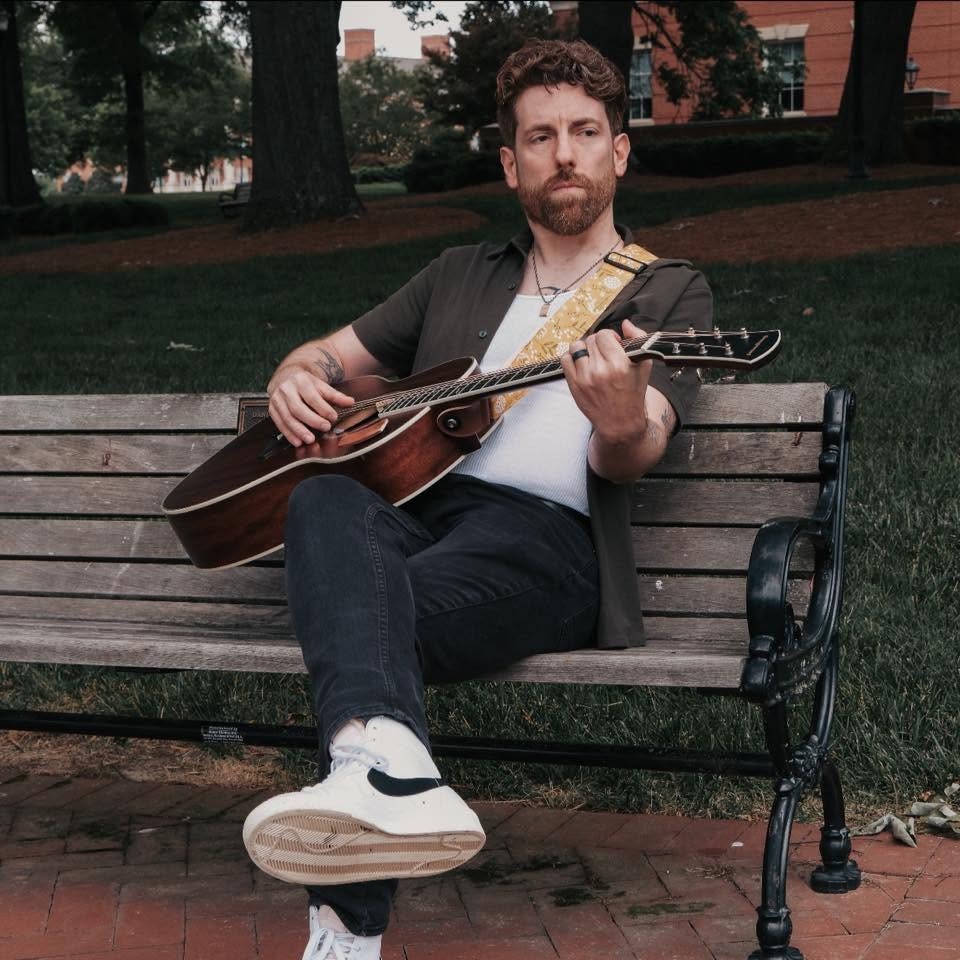
Hello everyone, it’s your host Tehillah from DULAXI, and today I’m delighted to be joined by Scott Lowder, an independent alternative folk singer-songwriter from Charlotte, United States. With more than two decades of live performance experience and over 1,000 shows behind him, Scott is now beginning a new chapter under his own name, bringing a collection of songs written over the past 10 to 15 years into the world. His latest release, “Ghost of You,” arrived on August 28, 2026, offering a deeply personal reflection on loss, memory, friendship, and the lasting influence of the people who shape our lives.
Before we begin our conversation with Scott Lowder, here’s what you need to know about today’s featured project.
About Scott Lowder
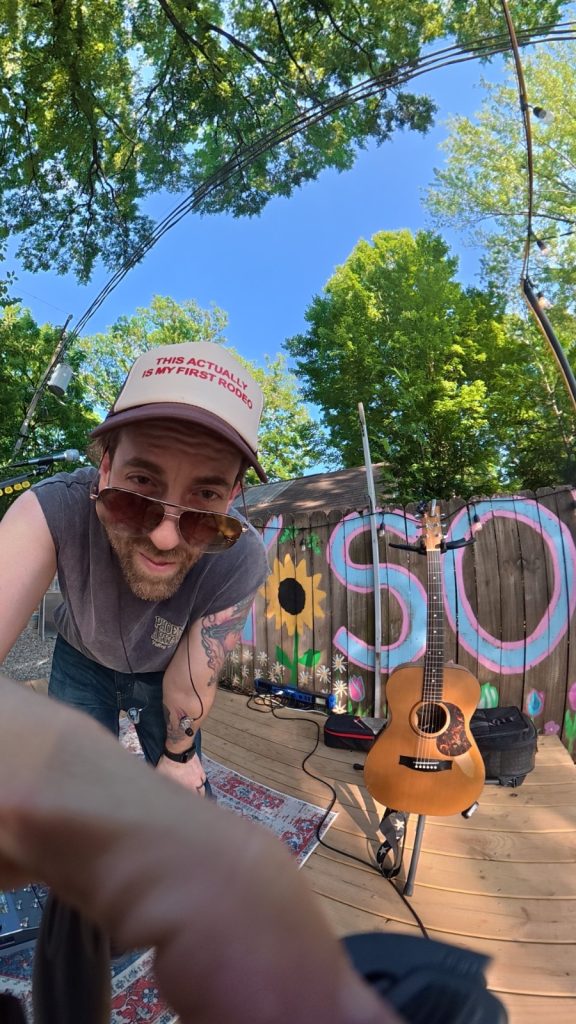
For more than two decades, Scott Lowder has built his musical life through live performance, playing more than 1,000 shows and sharing stages with artists including Fall Out Boy, Matchbook Romance, the Ataris, and Punchline. His connection to the Charlotte music community has also included radio airplay on 106.5 The End. Yet alongside the years spent performing, Scott continued writing songs that often remained unheard beyond the moments in which they were created.
His songwriting is rooted in honest storytelling and the experiences that continue to stay with us. Drawing inspiration from artists such as Counting Crows, The Wallflowers, and Tom Petty, his musical world sits around alternative folk, Americana, alt-country, and heartland rock, with an emphasis on emotional honesty rather than unnecessary complexity.
For much of that time, however, recording his original music was not his priority. Raising a family, working full-time, and being present as his children grew meant that his own recordings were placed on hold. The songs themselves did not disappear. Many remained with him for 10 to 15 years, waiting for the opportunity to finally become the recordings he had always imagined.
That opportunity has now arrived. With his children beginning their own lives, Scott has returned to the music that has accompanied him through different chapters of his own life. Rather than trying to recreate the person he was when many of these songs were first written, he is allowing the passage of time to become part of their meaning.
“Ghost of You” is the beginning of this new chapter. The song originated more than a decade ago following the tragic loss of one of Scott’s closest friends. At the time, he picked up an acoustic guitar simply as a way of processing what had happened, and the song emerged naturally from that moment. Although deeply personal from the beginning, Scott never felt that he had recorded it in a way that truly captured what the song deserved.
Years later, he returned to it with a different understanding of what the song had become. What began in the immediate aftermath of loss had evolved into something broader, exploring the way people remain part of our lives through memories, habits, lessons, stories, and the quiet reminders that appear when we least expect them.
Musically, the song draws its character from warm acoustic guitars, spacious production, and a direct vocal approach that keeps the storytelling at the center. Scott’s experience as a live performer also informs the restraint of the recording, allowing the emotion to develop without relying on an oversized arrangement.
“Ghost of You” therefore represents more than the release of an older song. It marks the point at which years of writing, performing, family life, memory, and personal experience begin to converge in a recorded body of work. As Scott continues bringing these songs into the world, his hope is straightforward: that listeners will find something honest in them and perhaps recognize pieces of their own lives within the stories.
Having this brief introduction to today’s featured project, I’m sure both new listeners and longtime fans are excited to hear directly from Scott. So, without further ado, let’s begin today’s interview.
INTERVIEW SESSION
Tehillah:
You spent more than two decades performing live and have played over 1,000 shows, while many of the songs you wrote remained unheard beyond those performances and your own private world. What kept you writing during those years when recording your original material was not the priority, and what did songwriting give you that performing could not?
Scott Lowder:
Songwriting was never something I decided to do. It’s always been how I’ve made sense of life. Even when I wasn’t recording original music, I was constantly writing. Sometimes a song would come from something that happened that day, and other times it would be an idea I’d carry around for months before it finally found its way out.
Performing is about creating a moment with an audience. Songwriting is much more personal. It lets me explore emotions that are harder to say out loud in a conversation. Even if no one else ever heard those songs, I still needed to write them. Looking back, I’m grateful I never stopped because now I have years of stories that are finally getting the recordings they deserve.
Tehillah:
“Ghost of You” began more than a decade ago when you picked up an acoustic guitar while trying to process the loss of one of your closest friends. When you remember that first moment of writing the song, what was happening emotionally that allowed the words and music to arrive so naturally?
Scott Lowder:
It was one of those moments where I wasn’t trying to write a song at all. I was just trying to understand what had happened. I picked up my acoustic guitar because that’s always been where I go when life gets overwhelming, and before long the melody and lyrics just started coming.
I think the reason it happened so naturally is because there wasn’t any filter. I wasn’t thinking about structure or whether anyone would ever hear it. It was simply an honest reaction to losing someone who had been such a big part of my life.
Tehillah:
There is something especially powerful about returning to a song created during a completely different chapter of your life and realizing that the person who originally wrote it is no longer exactly the person finishing it. What did you hear differently in “Ghost of You” when you came back to it years later, and how did the passage of time change your relationship with the song?
Scott Lowder:
When I first wrote it, the emotions were still raw. Years later, I realized the song wasn’t really about grief anymore. It had become a song about memory.
Time has a way of softening pain without erasing the people who caused it. When I came back to the song, I wasn’t reliving that loss. I was reflecting on how someone can continue shaping your life long after they’re gone. I don’t think I could have understood that when I was twenty-something. It took living a little more life before I really understood what the song had been trying to say all along.
Tehillah:
Your decision to focus on how a person continues to exist in our lives through memories, rather than simply describing the pain of losing them, gives “Ghost of You” a much broader emotional reach. What kinds of memories or unexpected moments helped you understand that absence can actually become another form of presence?
Scott Lowder:
It’s usually the little things. You’ll hear a phrase they used to say, drive past a place you visited together, or hear a song that instantly takes you back. For a brief moment it almost feels like they’re still there.
Those moments made me realize that people don’t simply disappear from our lives. They become part of how we see the world. They influence our decisions, our perspective, and the stories we tell. That’s really what “Ghost of You” is trying to capture.
Tehillah:
The title “Ghost of You” suggests something that remains after someone is gone, but that ghost does not necessarily have to be frightening or painful. What does the “ghost” represent to you personally, and how did you want that image to shape the listener’s understanding of friendship and loss?
Scott Lowder:
To me, the ghost isn’t something supernatural. It’s the imprint someone leaves on your life.
We all carry pieces of people we’ve loved. Sometimes it’s advice they gave us. Sometimes it’s a habit we picked up from them. Sometimes it’s simply the feeling that they’d still be proud of who we’re becoming.
I wanted the title to invite people to think about their own “ghosts” in that way—not as something to fear, but as evidence that love and friendship continue long after someone is gone.
Tehillah:
You have spent years sharing stages with acts such as Fall Out Boy, Matchbook Romance, the ataris, and Punchline, and you have also experienced the immediacy of connecting with audiences through live performance. How did becoming an experienced performer influence the way you approached the vocal delivery and emotional restraint of a song as intimate as “Ghost of You”?
Scott Lowder:
Playing live has taught me that the most emotional moments aren’t always the loudest ones.
When I recorded “Ghost of You,” I didn’t want to oversing it. The song isn’t about dramatic heartbreak. It’s about quiet reflection. I tried to sing it the same way I’d tell the story to a close friend sitting across the table. Sometimes holding something back actually lets the listener feel more because it gives them room to bring their own emotions into the song.
Tehillah:
The recording combines warm acoustic guitars, spacious production, and a direct vocal performance rather than relying on an oversized arrangement to communicate the emotion. What were you most determined to preserve in the recording, and what did you deliberately leave out because you felt the song needed room to breathe?
Scott Lowder:
The vocal and acoustic guitar had to stay at the center because that’s how the song was born. Everything else needed to support the story instead of competing with it.
There were opportunities to make it bigger, but every time we added something that drew attention away from the lyric, it came back out. Sometimes the hardest part of producing a song is deciding what doesn’t belong. I wanted listeners to feel like they were sitting in the room with me rather than listening to a huge production.
Tehillah:
Your musical world draws from Counting Crows, The Wallflowers, and Tom Petty… How did you draw from that tradition while making sure the song still sounded like your own memory rather than an imitation of those influences?
Scott Lowder:
Those artists taught me that songs don’t have to be complicated to stay with people. They tell honest stories with melodies that feel timeless.
I wasn’t trying to recreate one of their records. I was trying to capture the feeling their music gave me growing up: music that feels lived in, human, and emotionally honest. At the end of the day, the story is mine. The influences helped shape the sound, but the memories belong to me.
Tehillah:
Much of your original music was set aside while you concentrated on raising a family… How has becoming a parent changed the way you understand time, memory, and the people whose presence quietly shapes who we become?
Scott Lowder:
Becoming a parent completely changed my perspective on time. Before kids, years feel long. Once you’re raising a family, they seem to disappear overnight.
It also made me realize how much of who we become comes from the people who invested in us. As a parent, you hope your own influence will continue long after your children are grown. That made me appreciate even more the people who’ve quietly shaped my own life.
Tehillah:
How are you deciding which older songs still belong to the person you are today, and which ones need to remain part of the past?
Scott Lowder:
I’m looking for songs that still tell an honest truth.
Some songs were written about moments that only made sense to the younger version of me. Others have actually become more meaningful with time. Those are the ones I want to record because they’ve stood the test of time.
If a song still moves me after fifteen years, there’s probably something worth sharing.
Tehillah:
What has been most surprising about moving from playing music primarily for an audience in the moment to spending time carefully constructing recordings that people may discover years after they were written?
Scott Lowder:
Live music disappears the moment the last note fades away. That’s part of what makes it special.
Recording is different because you’re creating something that can outlive the moment it was made. That’s both exciting and intimidating. It makes you slow down and ask whether every decision serves the song because you know people might still be listening years from now.
Tehillah:
What do you believe we carry forward from the people we have loved, even when we may not consciously realize how much they continue to influence us?
Scott Lowder:
I think we carry forward pieces of who they were. The way they treated people. The things they taught us. The courage they gave us. Even the mistakes they helped us avoid.
Sometimes you don’t realize you’re carrying those things until years later when you hear yourself saying something they used to say or making a decision they would have encouraged. That’s when you realize they never really left.
Tehillah:
What do you hope the song gives listeners that a simple statement of sympathy could not?
Scott Lowder:
Sympathy acknowledges someone’s pain. Music has the ability to sit with someone inside it.
If someone hears “Ghost of You” and spends four minutes remembering someone they love, then the song has done exactly what I hoped it would do. Maybe it reminds them they’re not alone. Maybe it helps them smile instead of cry. Either way, I hope it becomes part of their own story.
Tehillah:
How has your connection to the Charlotte and North Carolina music community shaped the kind of storyteller you have become?
Scott Lowder:
The Charlotte music community gave me countless opportunities to grow as a performer. Playing hundreds of shows taught me that audiences respond most to authenticity. It doesn’t matter whether you’re playing for twenty people or two thousand, people connect with honesty.
That lesson carried directly into my songwriting. I stopped worrying about trying to impress people and started focusing on telling stories that feel real.
Tehillah:
After spending so much of your career building connection through live shows, what does it mean to you now to finally give these older songs a permanent recorded life, and how does that change the way you think about your own musical legacy?
Scott Lowder:
It means a lot because these songs finally have a chance to exist beyond the night they were played.
I’ve been fortunate to play over a thousand live shows, but recordings last. Long after I’m done playing stages, these songs can still find someone who needs them. That’s a pretty incredible thought, and it’s one of the biggest reasons I wanted to finally make these records.
Tehillah:
As you continue releasing this body of work, what kind of emotional world do you want listeners to discover across the songs, and what do you hope they remember about Scott Lowder when the music ends?
Scott Lowder:
I hope people find songs that feel honest. Some are hopeful, some are nostalgic, some wrestle with loss or change, but they’re all rooted in real experiences.
If someone remembers anything about me, I hope it’s simply that I tried to tell the truth. If one of these songs helps someone feel understood, reminds them of someone they love, or becomes part of an important moment in their own life, then that’s more than I could ever ask for.
“Scott Lowder turns a song born from personal loss into something much larger: a quiet meditation on the way memories keep people present, proving that some of the most enduring stories are the ones we carry long after the moment itself has passed.”
~ Tehillah (DULAXI Team)
EDITORIAL PERSPECTIVE
“Ghost of You” feels strongest when it trusts its own restraint. The acoustic foundation, open arrangement, and direct vocal delivery leave space for the story rather than overwhelming it. What makes the song particularly affecting is the way its emotional center shifts from immediate loss toward the quieter experience of carrying someone’s influence through everyday life. Scott’s years as a performer are also evident in his measured delivery, allowing the recording to feel intimate without becoming overly dramatic. It is a thoughtful introduction to a new recorded chapter built around honesty, memory, and lived experience.
~ Tehillah (DULAXI Team)
CLOSING

Our conversation with Scott Lowder offers a meaningful look at what can happen when songs are given the time to grow alongside the person who wrote them. “Ghost of You” began as an immediate response to profound loss, but more than a decade later, it has taken on a wider meaning, becoming a reflection on memory, friendship, influence, and the ways people remain part of our lives.
Thank you to Scott for taking the time to share the story behind the song, his approach to songwriting and recording, and the experiences that have shaped this new chapter of his musical journey.
We encourage you to spend some time with “Ghost of You” and discover the story for yourself. As Scott continues bringing more of his older and newer material into the world, there is much more to come from this next stage of his journey.
Thank you for spending time with DULAXI and joining us for another artist conversation. I’m Tehillah, and we look forward to bringing you more interviews with artists and creators whose stories deserve to be heard.