
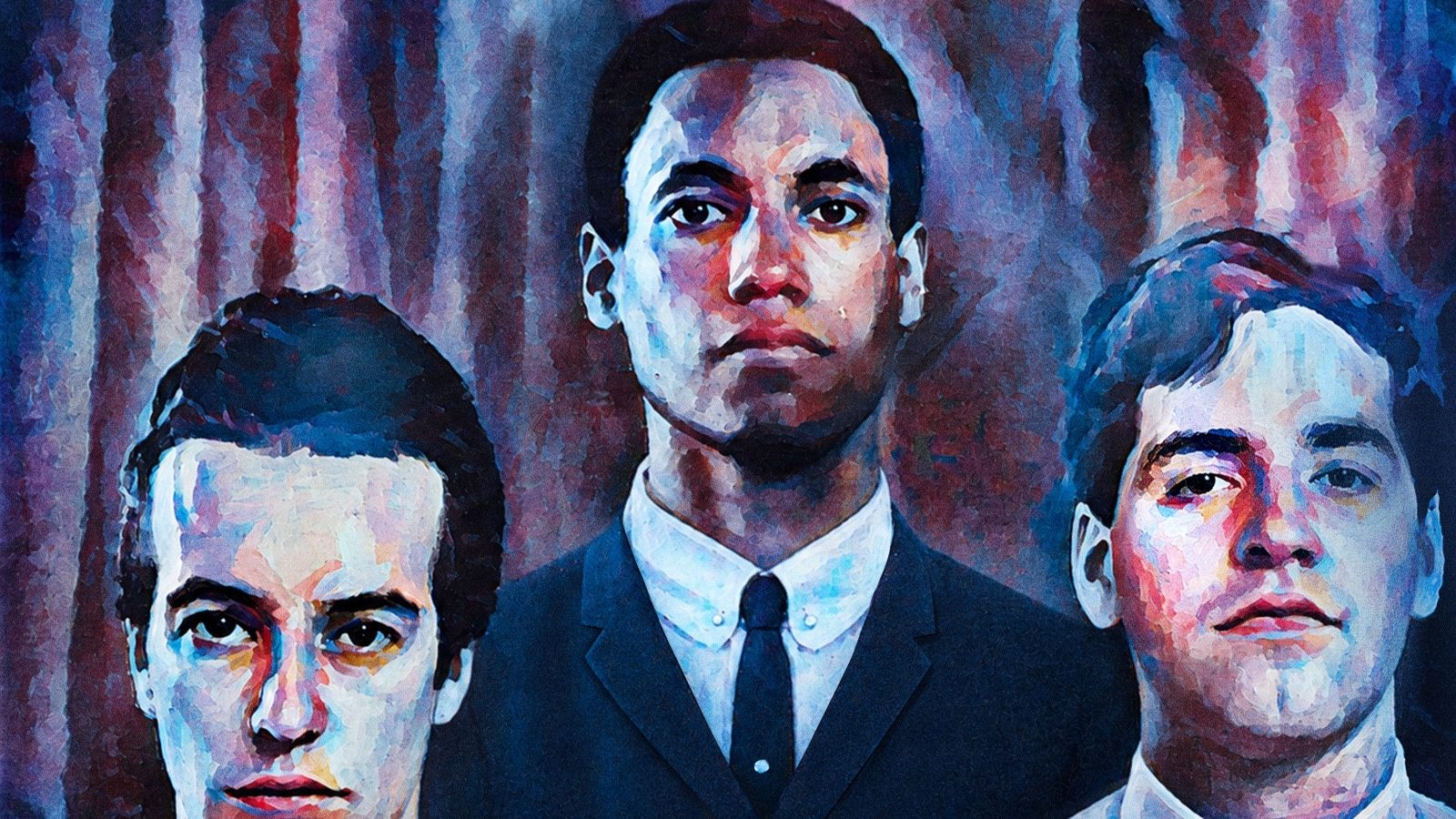
Hello everyone, it’s your host Oliver from DULAXI, and today I’m delighted to be joined by Neal Augenstein, singer and songwriter associated with the Washington, D.C. music scene and a member of the creative story behind The Generation. Emerging from the vibrant mid-1980s local music scene in Washington, D.C., The Generation developed a distinctive blend of melodic punk, pop, and guitar-driven rock that connected strongly with local audiences. Today, their previously unreleased music is finally reaching listeners through their debut single, “When I Tell You,” released on 20 August 2026 through Detour Records.
Neal is answering our questions about The Generation, their music, their history, and the remarkable journey that has brought these recordings back into the public sphere. The release introduces “When I Tell You” as the A-side, backed by “Don’t Know About You,” while also serving as the first introduction to the forthcoming album, Songs From Our Upbringing, expected in late 2026 or early 2027.
Before we begin our conversation with Neal, here’s what you need to know about today’s featured project.
About The Generation
The Generation’s story begins in Washington, D.C., during a particularly active period for the city’s independent music community. While the capital’s hardcore punk scene became widely recognised, another side of the local scene was developing around melodic, energetic bands whose songs were built as much for singing and dancing as they were for raw performance. The Generation belonged firmly to that world, alongside fellow acts including Modest Proposal and The Reply, and developed a reputation among local audiences for carefully constructed songs, strong melodies, harmonies, and an energetic live presence.
The band burned brightly but briefly. Despite building a following through performances at venues including the legendary 9:30 Club and dc space, as well as local high schools, The Generation never released a record during its original period. Their music instead remained within the world of live audiences, demos, and tapes, leaving a significant part of their creative history unheard outside those who experienced the band at the time. That changed decades later.
The Generation’s studio demos, home recordings, and live tapes eventually found themselves stored in London, where four cassette tapes remained for 33 years, from 1991 until their rediscovery in 2024. What could have remained an overlooked piece of musical history instead became the foundation for the band’s first official releases. With the recordings recovered, Neal, Tim Becker, and Davey began preparing the material for release, bringing together songs originally created during the band’s active period between 1985 and 1989.
The rediscovery also brought with it an opportunity to hear The Generation as they actually sounded, rather than recreating the songs decades later. The material was remastered from its original analogue sources, preserving the character of the recordings while preparing them for contemporary listeners. Neal and Tim Becker serve as the project’s co-producers, while Geoff Pesche and John Barrett at Abbey Road Studios contributed their expertise to the process of preparing the material for release. Pesche handled the mastering at Abbey Road Studios.
At the centre of the first release is “When I Tell You,” a melodic and guitar-led song that represents a later stage of The Generation’s original creative period. Interestingly, unlike “Don’t Know About You,” which was an earlier song and a regular part of the band’s live performances, “When I Tell You” was recorded late in The Generation’s tenure and was never performed live. Yet when the surviving members began preparing the catalogue for release, the song naturally emerged as the choice for the band’s first-ever A-side.
The Generation’s musical identity was shaped by a love of melody, harmony, punk energy, and accessible songwriting. Their own playful description of the sound as “Wowwerpop” captures the combination of melodic pop instincts and the urgency of punk and power pop. Neal’s musical outlook also reflects the influence of The Beatles, Motown, and British hitmakers, alongside the energy that emerged from punk and power pop as The Generation developed its own songwriting voice.
There is therefore something particularly interesting about hearing “When I Tell You” now. These are not newly recorded interpretations attempting to recreate an old sound. They are performances captured during the band’s original era, brought forward through careful restoration and mastering. The result connects listeners today with a musical moment that was never given the opportunity to become part of the wider recorded catalogue.
For Neal, Tim, Davey, and those who remember The Generation, the release represents a reunion with music that had remained dormant for decades. For new listeners, it offers something different: the chance to encounter these songs for the first time and form entirely new memories around music originally created roughly 40 years ago.
Having this brief introduction to today’s featured project, I’m sure both new listeners and longtime fans are excited to hear directly from Neal. So, without further ado, let’s begin today’s interview.
INTERVIEW SESSION
Oliver:
The Generation emerged from Washington, DC’s legendary mid-1980s local band scene, a period when a band could build a strong identity through live performances without necessarily leaving behind a recorded catalogue. What do you remember most vividly about the people, places, and atmosphere that surrounded The Generation during those early years?
Neal:
The Generation existed during a very exciting time in DC’s music history. While DC’s hardcore punk scene got plenty of attention, powerful pop bands like The Generation, Modest Proposal, and The Reply had a devoted following of (mostly) young people who loved to dance and sing-along. With shows at the legendary 9:30 Club and dc space, and at local high schools, The Generation delivered beautifully-crafted poppy punk, with devotion.
Oliver:
Your story is unusual because The Generation burned hot and fast, played for local crowds, and then disappeared without ever releasing a record. Looking back now, what did being part of that band mean to you personally at the time, and what made that period so important that the music remained worth returning to decades later?
Neal:
During the many shows The Generation played with Modest Proposal, I clearly remember their energy and precision, and ability to sing harmonies live. The interplay between their Davey’s, Neil’s and Tim’s voices was a step above what other bands in DC were doing.
Oliver:
The Generation was closely connected with bands such as Modest Proposal and The Mondays, placing you within a particular creative community in Washington, DC. What was it like being part of that local musical ecosystem, and how did the scene influence the way you approached songwriting, performance, and your identity as a band?
Neal:
It was a wonderful time for songwriters in DC. I think the friendly competition between The Generation, Modest Proposal, and The Reply helped elevate each band’s outputs. And, the songs just seemed to keep getting better and better.
Oliver:
Your music has been described as melodic, punky pop, guitar-driven, and hook-heavy, with the playful idea of “Wowwerpop” attached to that sound. How would you describe the musical personality The Generation developed for itself, and what were you trying to achieve when combining the energy of punk with the accessibility of melodic pop?
Neal:
The Generation, back then and to this day, with the release of “When I Tell You” and “Don’t Know About You,” our goal was always “play the song the way it was meant to be played.” You can tell a song is well-written if it can be played in several different ways — that’s what makes a song a standard. And while The Generation’s generally performed its songs uptempo, but with the melodies, harmonies, and lyrics of their tunes, they could be played with a variety of different arrangements and orchestrations, and still resonate.
Oliver:
There is a striking contrast between the immediacy of these songs and the amount of time they have spent unheard, with the original recordings remaining in a London storage unit for 33 years. When you think about that journey from an active 1980s band to music being rediscovered decades later, what does it make you feel about the songs and the moment in which they were originally created?
Neal:
The studio demos, home demos and live tapes are a wonderful snapshot of that period in the 1980s. And those songs stayed somewhere in my mind, even though it was more than two decades since I heard them last. I recalled over the years that The Generation’s songwriting and performances were a cut above. And after we decided to dig up those four cassette tapes out of Davey’s storage locker in London, and hear those songs again, it was like being reunited with an old friend.
Oliver:
“When I Tell You” carries the title of the first single while “Don’t Know About You” appears on the other side, bringing two pieces of The Generation’s original songwriting back into public view. What made “When I Tell You” the right song to introduce people to this previously unheard chapter of the band’s history?
Neal:
The B-side of the single, “Don’t Know About You” was one of The Generation’s earlier songs, and of course was a staple at all of their live shows. “When I Tell You” was recorded late in The Generation’s tenure, and actually was never performed live. Yet, as Tim, Davey, and I prepared all the songs for release, for some reason it seemed clear to all of us that “When I Tell You” would be the A-side of The Generation’s first-ever release. I think the song quickly invites you to go along for the ride, and has the melodicism and storytelling that makes a first-time listener think, “I’m SURE I’ve heard that song before, because I love it.”
Oliver:
The songs were originally created between 1985 and 1989, yet they are now being presented to modern listeners through digital releases and an upcoming 7-inch vinyl single. When you listen to “When I Tell You” today, what aspects of the song still feel completely rooted in that original moment, and what aspects unexpectedly feel timeless?
Neal:
When you think of your favorite songs, in most cases you can remember when you first heard them, or at least what was going on in your life at the time. And even though it was 40 years ago that I first heard some of The Generation’s songs, hearing them now brings back a flood of memories. And, I’m excited in that pulling together these songs and sharing them for the first time with an audience that wasn’t born when they were initially recorded means they’ll have their own first impressions and make their own memories when they hear The Generation songs for the first time.
Oliver:
One of the most appealing qualities of “When I Tell You” is the combination of guitar-driven energy and memorable melodic hooks, giving it an immediate, almost instinctive quality. When The Generation were writing songs back then, how important were melody and the hook to you, and where did that instinct for creating something people could immediately connect with come from?
Neal:
The ultimate importance. Nothing else was even close. Growing up on songs by The Beatles, Motown and countless British hitmakers, as American kids we were transported by the songs we heard. Talk about great inspiration. And by the time we started writing songs, the energy of punk and power pop was adding another dimension. So, when you hear The Generation’s songs we hope you’ll realize that our music is just — well, our music.
Oliver:
Because these recordings were created from original analogue sources rather than being newly recorded versions of old songs, there is a direct connection between the listener today and the performances captured decades ago. What does preserving that original character mean to you, and what would have been lost if the songs had been completely re-recorded in the present day?
Neal:
While it might have been fun to re-record The Generation’s collection in present day, I’m not sure it would have the oomph of the stuff on the cassettes. It’s been great fun and countless emails back and forth getting the songs ready to be released. While I think we probably have a better overall view of what a vinyl record should sound like now than we did back then, I’m glad the upcoming single and album both reflect a moment back then, with some modern day perspective, since besides the friends who remember The Generation from back in the day, this is new music to most of the world.
Oliver:
The remastering process has brought these recordings into a contemporary listening environment, with Geoff Pesche at Abbey Road Studios handling the mastering. How did you approach the challenge of giving the recordings the clarity and impact expected by modern listeners while still protecting the character of the original analogue performances?
Neal:
While Tim, Davey, and I got the songs close to the finish line, we thought it was important to have Geoff and John Barrett at Abbey Road offer their lifetimes of experience in helping our stuff sound as good as it can for today’s audience. For those lucky few in DC who witnessed The Generation back then, hearing our new single will feel like a reunion. And for everyone else, we’re thankful for giving us a listen, and hope they enjoy the wowwerpop experience.
“Some songs do more than survive the years; they create a bridge between the people who first heard them and a new generation discovering them for the first time.”
~ Oliver (DULAXI Team)
EDITORIAL PERSPECTIVE
What makes The Generation’s return particularly compelling is the sense of continuity within the music. “When I Tell You” carries the instincts of a band that understood the value of melody, harmony, rhythm, and memorable songwriting, while its analogue origins preserve the character of the original performance. The long gap between creation and release gives the song an unusual emotional dimension, but the music itself remains at the centre. Hearing Neal describe the memories behind these recordings makes their arrival today feel less like an archival exercise and more like an overdue introduction.
~ Oliver (DULAXI Team)
CLOSING
Our conversation with Neal offers a fascinating look at a band whose recorded history took a remarkably long route to reach the public. The Generation may have emerged from Washington, D.C.’s mid-1980s music scene, but the ideas at the heart of their songwriting remain easy to understand decades later: strong melodies, memorable hooks, energetic performances, and songs that can continue to find meaning with new listeners.
We would like to thank Neal for taking the time to speak with DULAXI and for sharing his memories of The Generation, the band’s creative community, the rediscovery of the original recordings, and the careful process of bringing this music into the present day.
For listeners encountering The Generation for the first time, “When I Tell You” offers an opportunity to hear a piece of Washington, D.C. musical history that was never properly introduced to the wider world when it was first created. For those who remember the band, the release offers something even more personal: the chance to reconnect with songs and performances that had been absent for decades.
As The Generation’s first single leads into the forthcoming Songs From Our Upbringing album, this rediscovery is only beginning. We encourage readers to spend some time with the music, explore the band’s story, and follow where this remarkable return leads next.
Thank you for spending time with DULAXI. I’m Oliver, and we look forward to bringing you more conversations with artists and musicians whose stories deserve to be heard.